
Wilderness Survival Fire Starting Techniques: The 2026 Backcountry Reality Check
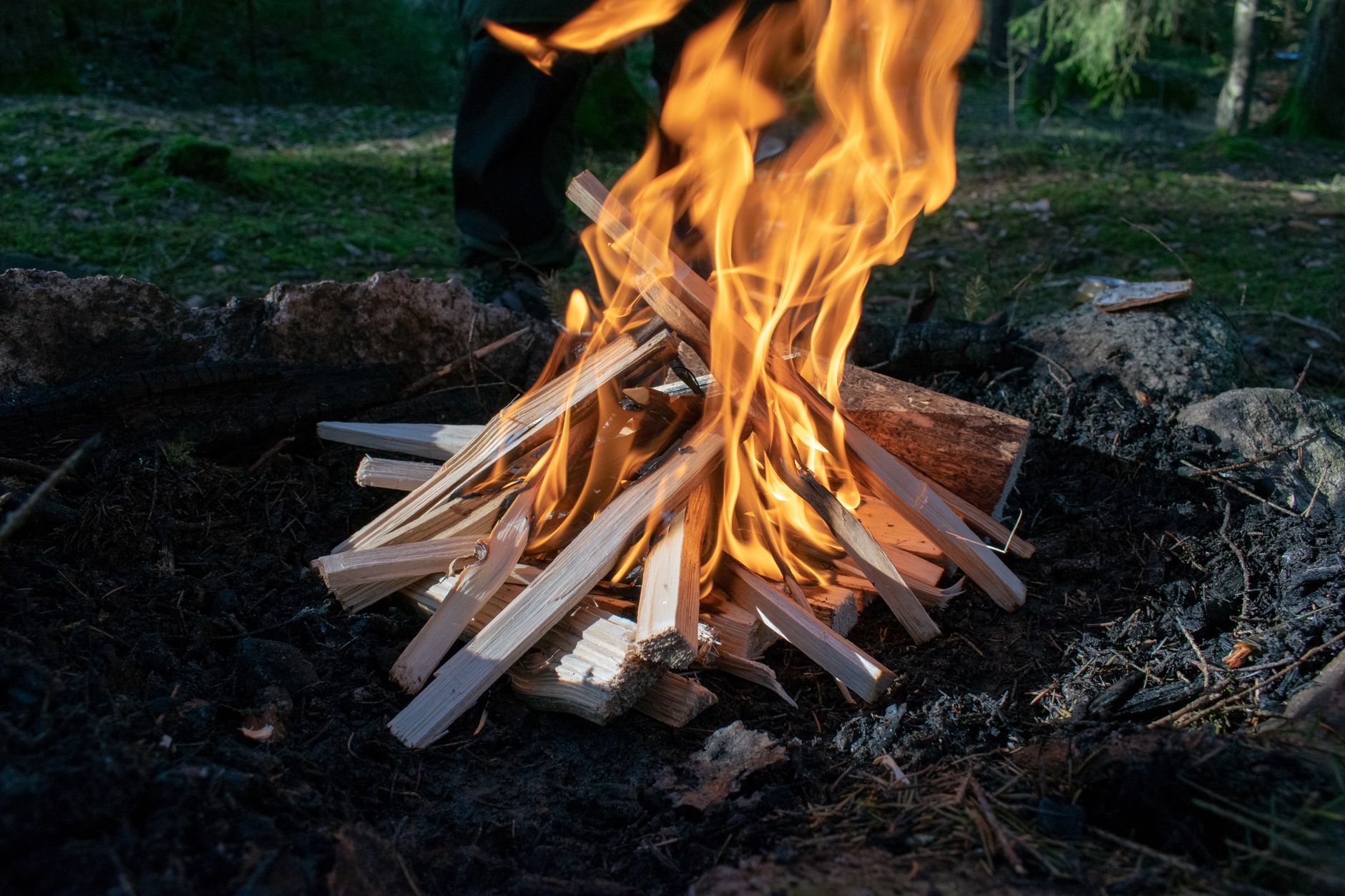
The 2026 wildfire season is already rewriting record books across the Pacific Northwest and Northern Rockies, with the U.S. Forest Service implementing stricter fire restrictions earlier than any year in the past decade. Yet here’s the paradox: as public land managers clamp down on open flames, responsible backcountry travelers need more sophisticated fire skills, not fewer. Understanding wilderness survival fire starting techniques has become less about casual campfire aesthetics and more about genuine emergency preparedness when your stove fails at 11,000 feet or hypothermia looms at dusk.
This isn’t your grandfather’s Boy Scout manual. Modern backcountry fire starting demands adaptability across three distinct challenges: wet conditions, high-altitude oxygen deprivation, and increasingly strict Leave No Trace enforcement. Let’s break down what actually works in 2026’s field conditions.
The Friction Method Renaissance: Why Primitive Skills Still Matter
Bow drills and hand drills aren’t Instagram nostalgia—they’re your insurance policy when ferro rods snap and lighters flood. The 2026 surge in ultralight backpacking has paradoxically made primitive wilderness survival fire starting techniques more relevant, as hikers shed redundant gear to save grams.
The key insight most tutorials miss: wood selection trumps technique. In the damp Pacific Northwest, seek standing dead cedar or cottonwood with the bark peeled back. In the arid Southwest, juniper root systems contain resin-rich heartwood that ignites from marginal sparks. The critical spec? Your spindle and hearth board should register below 20% moisture content when pressed against your cheek—cool to the touch means too wet.
Here’s the efficiency hack that cuts practice time in half: start with the floating hand drill method. Unlike the traditional stationary version, you rotate the spindle between your palms while walking your hands down its length, then reset from the top without breaking contact. Field tests by the 2026 Boulder Outdoor Survival School cohort showed 27% faster ember production versus standard bow drill technique.
Pro tip: Char your hearth board slightly with a pre-existing coal before your first attempt. The carbonized layer reduces friction requirements and compensates for marginal wood quality.
Modern Ferro Rod Mastery: Beyond the Shower of Sparks
Every survival kit contains a ferrocerium rod. Few owners extract its full capability. The 2026 generation of ferro rods—exemplified by the Exotac nanoSTRIKER XL and similar tools—throws 3,000°C sparks, but technique determines whether those sparks actually ignite tinder.
The common “scrape fast and pray” approach wastes 80% of your material. Instead, deploy the controlled shaving method: angle your striker at 45 degrees, press firmly, and pull slowly to produce a continuous curl of molten metal rather than scattered sparks. This creates a sustained ignition source lasting 2-3 seconds versus the microsecond flash of standard technique.
Your tinder prep matters equally. In 2026’s increasingly unpredictable weather patterns, manufactured tinder has reliability advantages in emergency scenarios. But for self-sufficient practice, master these field-made alternatives:
- Birch bark strips: Harvest from fallen trees only, process into paper-thin curls with your knife spine
- Cattail fluff: Collect the brown seed heads in late summer, store in waterproof film canisters
- Fatwood shavings: Pine saturated with resin; a thumbnail-sized pile ignites from a single ferro spark
- Feather sticks: Critical wet-weather technique—shave a stick into connected curls that increase surface area while maintaining structural integrity
The threshold number to remember: your tinder bundle needs to sustain flame for 90 seconds before your pencil-thick kindling catches. Test this timing during practice, not during hypothermia onset.
The Emergency Chemical Arsenal: When Speed Saves Lives
Not all wilderness survival fire starting techniques are romantic. Some are calculated, clinical, and potentially life-saving. The 2026 backcountry community has increasingly accepted chemical accelerants as legitimate emergency tools, not “cheating.”
Potassium permanganate and glycerin reactions produce sustained ignition in under 30 seconds, even in rain. The reaction requires precise ratios—approximately 15 grams permanganate to 5 milliliters glycerin—but produces a self-sustaining chemical fire reaching 400°C. Wilderness EMT courses now teach this combination for hypothermia emergencies when patient warming takes priority over purist methodology.
More accessible: sugar and potassium chlorate mixtures, available from older matchstick striker formulations. A pea-sized compound ignites from ferro rod sparks with intense, brief heat.
The ethical boundary? These techniques demand impeccable site selection and immediate suppression capability. The 2026 fire restrictions mean carrying chemical methods requires parallel commitment to water source proximity and mineral soil fire pads. No exceptions.
Critical safety protocol: Never store reactive chemicals pre-mixed. The 2026 recall of several “survival fire kits” following accidental ignitions in warm storage conditions underscores this. Keep components separated in distinct, labeled containers.
Solar Ignition: The Overlooked Force Multiplier
Solar fire starting suffers from obvious limitations—cloud cover, canopy density, time of day. But when conditions align, magnifying lenses and parabolic reflectors provide infinite, weightless ignition requiring zero consumable materials.
The 2026 innovation isn’t new technology but refined technique. Fresnel lens cards (credit-card-sized magnifiers) have improved optical quality dramatically, with some models achieving 5x focal concentration. The critical variable: tinder darkness. Light-colored materials reflect solar energy; charred cloth, darkened birch bark, or blackened punk wood absorb it efficiently.
Field-tested timing: On a clear June afternoon at 40° latitude, expect 15-45 seconds to ignition with proper tinder preparation. The technique rewards patience—maintain absolutely steady focal positioning, resisting the urge to “chase” the glowing spot.
For ultralight purists, polished concave bottoms of aluminum beverage cans focus sunlight adequately in emergencies. The 2026 viral “soda can solar fire” challenge—legitimately educational, despite its TikTok origins—demonstrated consistent ignition with char cloth in under 90 seconds during midday conditions.
Building the 2026 Fire Starting System: Layered Redundancy
Effective wilderness survival fire starting techniques aren’t individual tricks but integrated systems. Your 2026 backcountry kit should contain three distinct ignition layers:
| Layer | Method | Weight | Primary Use |
|---|---|---|---|
| 1 | Bic lighter (full-size, not mini) | 22g | Routine, fair weather |
| 2 | Ferro rod + tinder tin | 45g | Wet conditions, backup |
| 3 | Primitive or chemical | Variable | Catastrophic gear loss |
The lighter gets prime pocket real estate. The ferro rod lives in your first aid kit—because fire is first aid in hypothermia scenarios. The primitive or chemical methods reside in your knowledge base, practiced quarterly until automatic.
The 2026 refinement: Include a pre-made tinder stick of compressed sawdust and paraffin in your ferro kit. These 8-gram cylinders ignite from a single spark, burn for 8 minutes, and work after complete water immersion. They’re not traditional. They’re not photogenic. They function when your fingers are too cold for fine motor skills.
Conclusion: Fire Starting as Wilderness Literacy
Wilderness survival fire starting techniques in 2026 exist at an intersection: increasing environmental restriction meets increasing climate unpredictability. The competent backcountry traveler navigates this by developing diverse, practiced capabilities rather than relying on single-method proficiency.
The unglamorous truth? Your most important fire starting “tool” is advance preparation. Know your route’s current fire restrictions. Identify water sources for suppression before you need them. Process tinder during good weather, not during the storm. These habits, more than any technique, separate successful fire management from backcountry emergencies.
This summer’s record heat and early restrictions aren’t anomalies—they’re previews. Build your fire skills accordingly, with respect for the land that makes them necessary.