
The Wilderness First Aid Kit Checklist That Actually Works for Solo Hikers
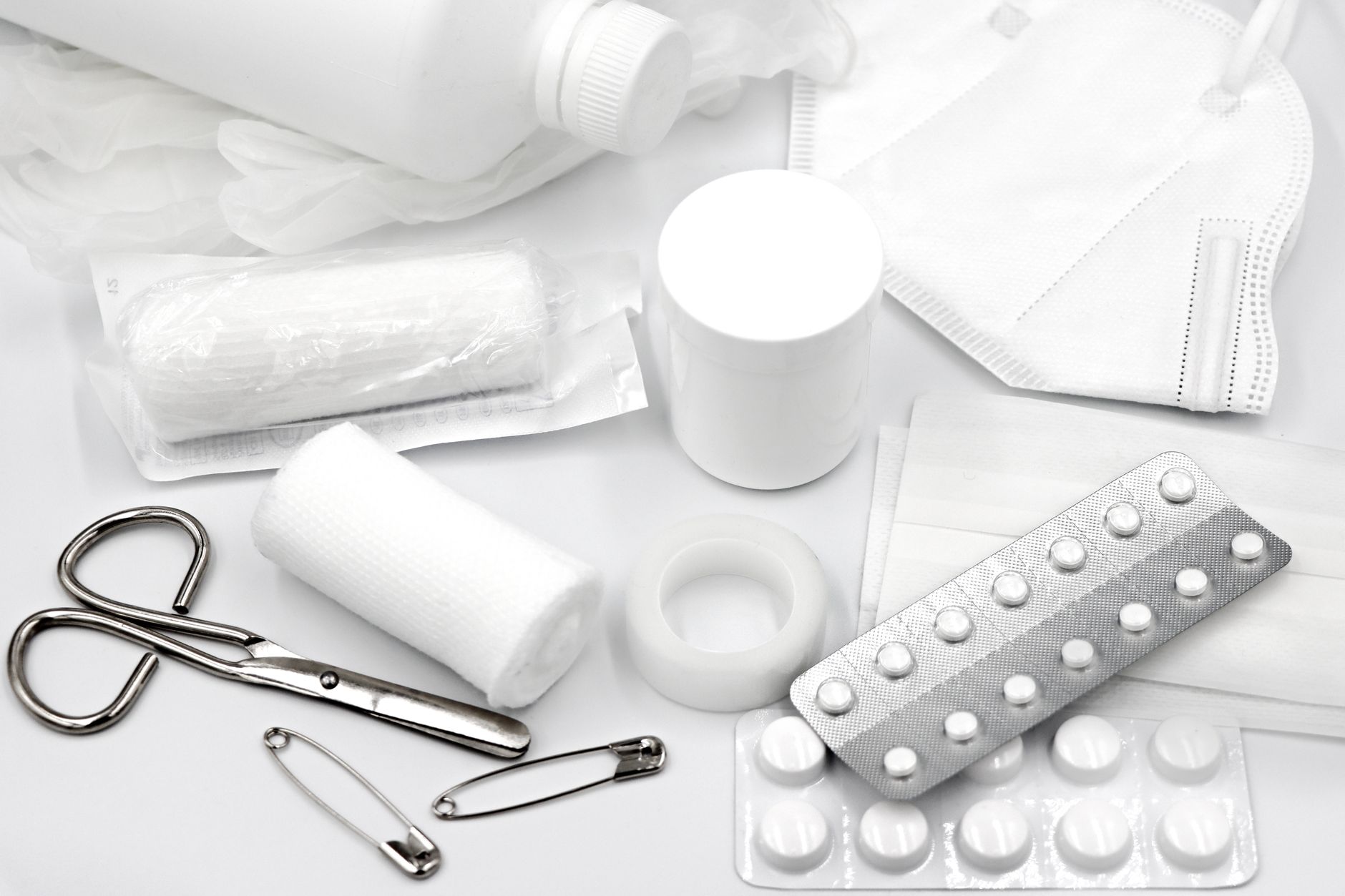
Solo hiking is exploding in 2026. According to recent reporting from Outside Online, backcountry search-and-rescue incidents have jumped 34% in the past eighteen months, with solo adventurers representing a disproportionate share of emergencies. The trend is clear: more people are heading out alone, carrying lighter packs, and posting riskier routes to social media before they even hit the trailhead. The problem? Most “wilderness first aid kit checklist” guides assume you’re traveling with a group, splitting gear weight, and have someone to run for help when things go sideways.
If you’re hiking solo, your first aid kit isn’t just a box of supplies—it’s your only backup plan.
This guide builds a wilderness first aid kit checklist specifically for the self-reliant hiker. No redundant group items. No “nice-to-haves” that weigh you down. Just the gear that keeps you alive long enough to self-rescue or signal for help.
Why Solo Hikers Need a Different Wilderness First Aid Kit Checklist
Group dynamics change everything. A twisted ankle in a party of four means three people can stabilize, navigate, and evacuate. Alone, that same injury becomes a potential overnight ordeal.
The solo hiker’s wilderness first aid kit checklist must account for three critical realities:
- Extended self-care: You might need to manage bleeding, immobilize a limb, or maintain core temperature for hours before rescue arrives
- Signal dependence: No partner to hike out for help means your kit must include redundant signaling capability
- Weight discipline: Every ounce matters when you’re carrying the full load, but cutting medical gear is the wrong place to save grams
The sweet spot? A kit weighing 12–16 ounces that addresses the five most common solo backcountry emergencies: severe bleeding, sprains and fractures, hypothermia, dehydration, and wound infection.
The Core Kit: What Every Solo Hiker Actually Needs
This wilderness first aid kit checklist prioritizes multi-use items and eliminates single-purpose redundancy. Here’s what earns space in your pack:
Wound and Bleeding Management
- Nitrile gloves (2 pairs): Protect yourself from your own blood-borne pathogens when treating wounds with dirty hands
- Gauze pads, 4x4 inches (10): More versatile than roll gauze; pack flat and can be layered for pressure
- Israeli bandage or Olaes modular bandage (1): The one item that replaces gauze, tape, and elastic wrap for serious bleeding
- Tourniquet, CAT Gen 7 or SOF-T Wide (1): 90% of preventable wilderness deaths involve uncontrolled extremity bleeding. Learn to use it before you need it
- Medical tape, 1 inch (1 roll): Leukotape doubles as blister prevention—two functions, one item
- Tegaderm or similar occlusive dressing (4): Seals abrasions against dirt; invaluable for palm and knee scrapes that won’t stop weeping
Musculoskeletal Injuries
- SAM Splint, 36-inch (1): Malleable aluminum splint that immobilizes anything from a finger to an ankle. Cut it with shears for custom sizing
- Elastic wrap, 3-inch (1): Compression for sprains, secures splinting, aids pressure bandage application
- Ibuprofen, 200mg (20): Anti-inflammatory for sprains; also reduces fever and mild pain
- Acetaminophen, 500mg (10): Pain relief that won’t increase bleeding risk like NSAIDs can
Core Temperature and Environmental Threats
- Emergency bivvy, SOL Escape or similar (1): Not a space blanket—a breathable, reflective shelter you can actually sleep in. Hypothermia kills more solo hikers than bears and snakes combined
- Chemical hand warmers (2): Tuck into armpits or groin for rewarming; also revive cold batteries
- Oral rehydration salts (4 packets): Dehydration accelerates hypothermia and impairs judgment. Mix with your water bottle
Wound Cleaning and Infection Prevention
- Povidone-iodine wipes (10): Superior to alcohol for wound cleaning; less tissue damage, better antimicrobial coverage
- Bacitracin or triple antibiotic ointment (2 single-use packets): Prevent infection in wounds you can’t get medical attention for within 24 hours
- Irrigation syringe, 35cc (1): Mechanical wound cleaning is more effective than antiseptics alone. The pressure matters more than the solution
Tools and Signaling
- Trauma shears (1): Cut clothing, splints, tape, even pack straps in extremis
- Headlamp with strobe function (1): Your primary signaling tool at night. Test: can rescuers see it from a mile away?
- Rescue whistle, Fox 40 or Storm (1): Attach to your pack sternum strap, not buried in your kit. Three blasts = universal distress signal
- Signal mirror (1): The one item most hikers skip. In clear conditions, visible 10+ miles. Practice aiming before you need it
The Three Items Most Checklists Get Wrong
After reviewing two dozen popular wilderness first aid kit checklist guides, these mistakes appear repeatedly:
1. Too many adhesive bandages. A full box of Band-Aids weighs 3 ounces and treats injuries you can manage with tape and gauze. Carry 4–6 fabric strips for small cuts. Ditch the rest.
2. No tourniquet. The “I’ll use my belt or cord” myth persists. improvised tourniquets fail 60% of the time in field studies. A purpose-designed tourniquet costs $30 and weighs 3 ounces. Carry it.
3. Neglecting the “communication” category. Your phone is not a substitute for a whistle and mirror. Batteries die, screens crack, and remote areas lack signal. Redundant signaling isn’t paranoia—it’s the solo hiker’s insurance policy.
Seasonal Adjustments: When to Add and Subtract
This wilderness first aid kit checklist adapts to conditions without rebuilding from scratch:
Summer desert hiking: Add extra ORS packets (double to 8), lip balm with sun protection, and a small container of vinegar for jellyfish or stingray encounters in coastal areas. Subtract the bivvy only if overnight temperatures stay above 60°F and you’re doing out-and-back day hikes with no bivouac risk.
Winter snow travel: Add a second emergency bivvy (they’re single-use in practice), increase hand warmers to 6, and include a small candle or tea light for snow cave warmth. The cold dramatically increases caloric and hydration needs—adjust your ORS accordingly.
Spring/fall shoulder seasons: The danger window. Weather swings fastest, and hypothermia strikes when air temperatures feel “mild” (50°F with rain and wind). Run the full kit exactly as specified. This is when most solo rescues happen.
Building Your Kit: Container and Organization
The container matters nearly as much as the contents. Avoid rigid plastic boxes—they’re bulky and crack in cold temperatures. Instead:
- Silnylon stuff sack, 2-liter capacity: Waterproof, compressible, and you can squeeze it into odd pack spaces
- Color-code by urgency: Red ziplock for bleeding control, yellow for splinting/bone, blue for medications and hydration. In stress, you’ll grab correctly without thinking
- Attach a laminated card: Your name, emergency contacts, blood type, allergies, and medications. If you’re unconscious, this speaks for you
Weigh your complete kit. If it’s over 18 ounces, you’re carrying something you don’t need. If it’s under 10 ounces, you’ve probably omitted something critical. The 12–16 ounce target exists for a reason.
The Skill That Completes the Wilderness First Aid Kit Checklist
Gear without training is expensive dead weight. Before your next solo trip, complete a Wilderness First Responder (WFR) or minimum Wilderness First Aid (WFA) course. The 16-hour WFA covers patient assessment, evacuation decision-making, and the specific techniques this kit enables.
More critically, practice with your actual kit. Splint your own ankle in your living room. Apply your tourniquet to your thigh and note the time (never leave it on over two hours without training). Unpack your bivvy and sleep in it on a 40°F night in your backyard. The familiarity you build now compounds when adrenaline narrows your thinking later.
Final Thoughts: The Checklist Mindset
A wilderness first aid kit checklist isn’t a shopping list to complete once and forget. It’s a living system you refine across seasons, terrain, and experience levels. The solo hiker who survives isn’t the one with the most gear—it’s the one with the right gear, practiced skills, and the humility to turn back when conditions outpace preparation.
Print this checklist. Build your kit this weekend. Test it before you trust it. The trail doesn’t care about your follower count or your summit plans. It only cares whether you’re ready for what it actually delivers.