
The Best Ultralight Backpacking Gear for Beginners: 2026 Edition
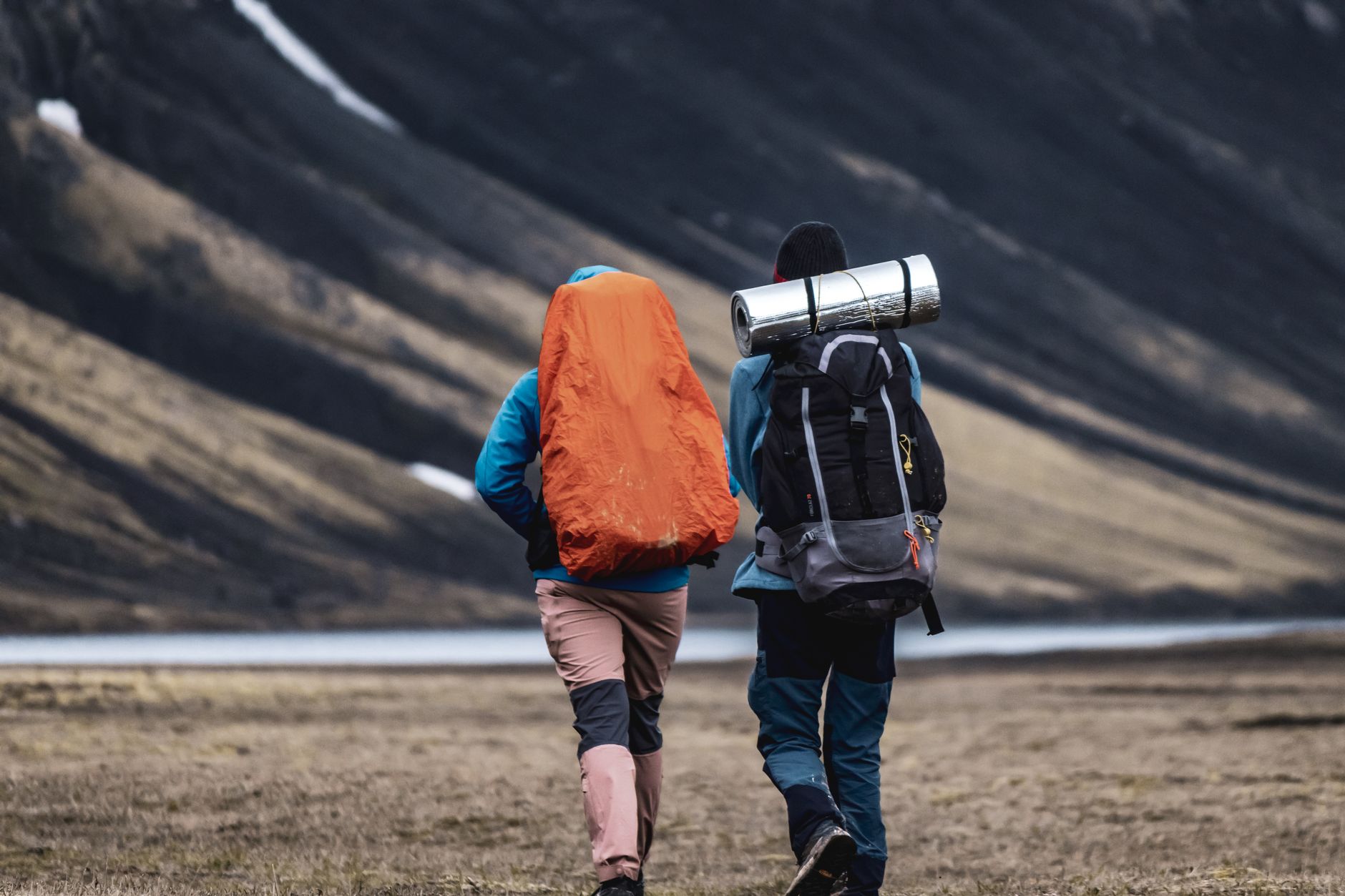
Ultralight backpacking has officially gone mainstream. What was once a fringe obsession of thru-hikers counting every gram has exploded into one of the fastest-growing segments of the outdoor industry in 2026, with major brands like Durston, Zpacks, and even REI releasing beginner-friendly ultralight lines at prices that would have been unthinkable three years ago. If you’ve been waiting for the right moment to shed pack weight, this is it.
But here’s the problem: most guides on the best ultralight backpacking gear for beginners read like spec sheets written for people who already know what a Dyneema Composite Fabric is. This guide is different. We’re going to walk you through exactly what to buy, what to skip, and how to build a sub-15-pound base weight without torching your savings account or sacrificing safety on the trail.
Why Ultralight Matters More Than Ever in 2026
The average beginner’s pack weight has dropped from around 35 pounds in 2020 to roughly 22 pounds in 2026, according to industry surveys. That’s a massive shift, and it’s being driven by two things: better materials at lower price points and a growing body of evidence that lighter packs mean fewer injuries and more enjoyable miles.
Your knees will thank you. Studies from the American Hiking Society suggest that every pound removed from your pack reduces joint stress by roughly four pounds of force per step. Over a 10-mile day, that adds up to tens of thousands of pounds of cumulative impact.
The sweet spot for beginners is a base weight (everything except food, water, and fuel) between 12 and 15 pounds. You don’t need to hit the sub-10-pound fanatic tier to feel the difference.
The Big Three: Where Your Weight Actually Lives
Roughly 60 to 70 percent of your base weight comes from three items: your pack, shelter, and sleep system. Nail these, and you’re most of the way there.
Backpack: Aim for 2 Pounds or Less
Forget the 5-pound internal frame monsters at big-box stores. In 2026, beginner-friendly ultralight packs are everywhere. The Durston Kakwa 55 (around 1.9 pounds, $230) has become the go-to recommendation for good reason — it carries up to 30 pounds comfortably, has a real frame, and doesn’t require a learning curve. The REI Flash 55 (2 pounds 7 ounces, $199) is another solid pick if you want to try before you buy.
Key features to look for:
- Weight under 2.5 pounds — anything heavier defeats the purpose
- Hip belt with pockets — you’ll want snacks and your phone within reach
- 50 to 55 liter capacity — enough for a 3 to 5 day trip without encouraging overpacking
Shelter: Ditch the Double-Wall Tent
A beginner-friendly ultralight shelter should weigh under 2.5 pounds and set up in under five minutes. The Durston X-Mid 1 (1.75 pounds, $239) has dominated this category since its release and remains the best value in 2026. It uses trekking poles instead of tent poles, which eliminates redundant weight.
If you prefer a freestanding option for rocky terrain, the Big Agnes Tiger Wall UL2 (2 pounds 8 ounces, $450) splits the difference nicely.
Pro tip: Practice your pitch in a park before your first trip. Ultralight shelters often use trekking poles and guylines, and fumbling with setup at dusk in the rain is a miserable way to learn.
Sleep System: Warmth-to-Weight Ratio Is Everything
Your sleeping bag or quilt plus sleeping pad should together weigh under 3 pounds. Here’s a beginner-proof combo:
- Quilt: The Enlightened Equipment Revelation 20°F (1 pound 4 ounces, $290) is the ultralight community’s darling for good reason. Quilts save weight by eliminating the insulation under your body (which gets compressed and does nothing anyway). If the idea of a quilt feels too weird, the REI Magma 15 (1 pound 12 ounces, $349) is a traditional bag that still keeps weight reasonable.
- Pad: The Therm-a-Rest NeoAir XLite NXT (13 ounces, $210) remains the gold standard with an R-value of 4.5, meaning it’s warm enough for three-season use. If you’re a side sleeper who tosses, the Nemo Tensor All-Season (17 ounces, $200) offers a quieter, more stable surface.
Clothing and Cooking: Where Beginners Overpack
After the Big Three, clothing and kitchen gear are where most beginners hemorrhage weight. Here’s the hard truth: you need far less than you think.
Clothing Rules for Ultralight Beginners
Follow the “one to wear, one to wash” principle for your hiking layers. For a 3-day trip, your packed clothing should look like this:
- 1 extra pair of hiking socks (wool, always)
- 1 extra pair of underwear
- 1 insulating layer (a Patagonia Nano Puff or Decathlon MT100 puffy, around 8 to 11 ounces)
- 1 rain shell (the Outdoor Research Helium at 6.3 ounces and $170 is a 2026 favorite)
- Sleep clothes only if temperatures demand it — otherwise, sleep in your hiking layers
That’s it. No camp shoes. No “just in case” fleece. No cotton anything. Every extra clothing item you add is weight you’ll carry for miles without using.
Cooking: Keep It Stupid Simple
You do not need a multi-piece cook set. A 750ml titanium pot (like the TOAKS 750, 3.6 ounces, $35), a BRS-3000T stove (0.9 ounces, $17), and a long-handled spoon is a complete backcountry kitchen weighing under 6 ounces. Add a small fuel canister (7 ounces full) and you’re cooking.
Cold-soaking (no stove at all) is trendy in 2026, but for beginners, a hot meal at the end of a long day is worth the small weight penalty. Morale matters.
The Gear You Should NOT Buy Ultralight (Yet)
Here’s where most ultralight guides fail beginners: they push the lightest possible option for everything, including gear where ultralight means fragile, finicky, or genuinely unsafe.
Do not go ultralight on these items yet:
- Water filter: The Sawyer Squeeze (3 ounces, $41) is already light and is the most reliable filter on the market. Don’t gamble on unproven alternatives.
- First aid kit: A basic kit weighing 4 to 6 ounces is non-negotiable. You can trim it later once you know what you actually use.
- Headlamp: The Nitecore NU25 UL (1.6 ounces, $37) is both ultralight and dependable. No compromise needed here.
- Navigation: Your phone with Gaia GPS or CalTopo downloaded offline is fine, but carry a physical map and know how to read it. Batteries die.
The best ultralight backpacking gear for beginners isn’t always the absolute lightest option. It’s the lightest option that you’ll still trust in the backcountry when things go sideways.
Your First Ultralight Gear List: A Real-World Example
Here’s a complete starter kit that hits a 13.5-pound base weight for under $1,500 total:
| Item | Weight | Approx. Cost |
|---|---|---|
| Durston Kakwa 55 pack | 1 lb 15 oz | $230 |
| Durston X-Mid 1 tent | 1 lb 12 oz | $239 |
| EE Revelation 20°F quilt | 1 lb 4 oz | $290 |
| Therm-a-Rest XLite NXT pad | 13 oz | $210 |
| TOAKS 750 pot + BRS stove | 4.5 oz | $52 |
| Sawyer Squeeze + bags | 4 oz | $41 |
| Clothing (packed) | 1 lb 8 oz | $200 |
| Essentials (first aid, headlamp, knife, etc.) | 1 lb 4 oz | $150 |
| Total | ~13.5 lbs | ~$1,412 |
Compare that to the 30-plus-pound starter kits most beginners assemble, and you’ll understand why ultralight converts never go back.
Start Light, Stay Safe, and Iterate
The best ultralight backpacking gear for beginners isn’t about hitting an arbitrary number on a scale. It’s about removing the weight that doesn’t add value to your experience so you can hike farther, feel better, and actually enjoy the wilderness instead of enduring it.
Start with the Big Three. Weigh everything on a kitchen scale (a $15 investment that will change your packing forever). Take a shakedown overnight trip close to home before committing to a multi-day adventure. And remember: every experienced ultralight hiker started with a pack that was too heavy and a gear list they later laughed at. The trail teaches you what you actually need. Your job is just to start walking.