
The Best Lightweight Backpacking Tent for Beginners: 2026's Most Forgiving Shelter Picks
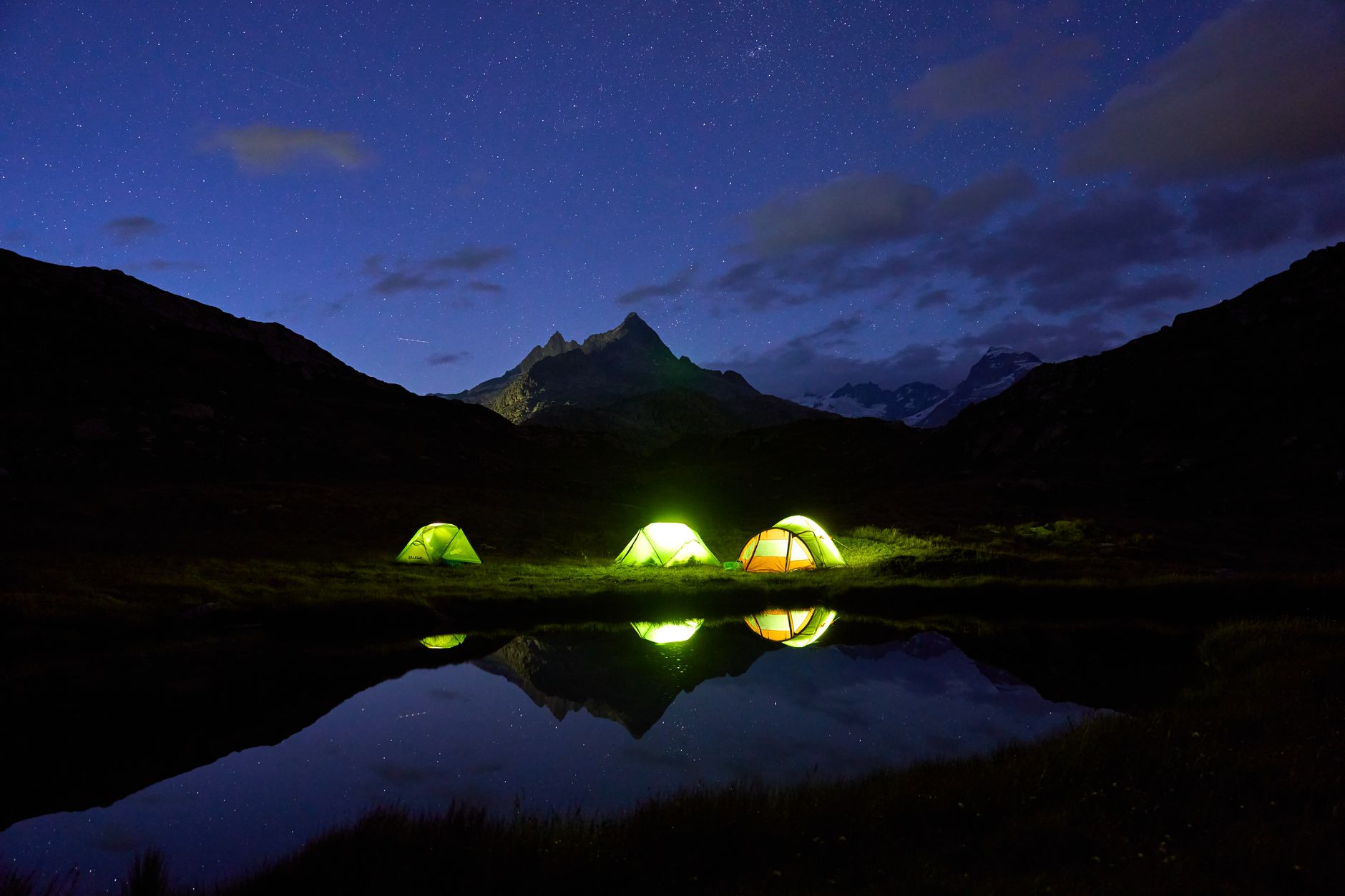
The backpacking tent market has quietly undergone its biggest shift in a decade. After supply chain chaos forced brands to rethink designs in 2023-2024, 2026 has delivered something unexpected: beginner-friendly tents that actually weigh less than the “ultralight” options from five years ago. REI’s semiannual report this spring showed first-time backpackers now prioritize forgiveness over raw ounces—tents that pitch easily in wind, survive sloppy site selection, and don’t require engineering degrees to repair on trail.
That’s where finding the best lightweight backpacking tent for beginners gets interesting. The goal isn’t simply the lightest shelter. It’s the lightest shelter that won’t punish you for being new at this.
Why Beginners Need a Different “Best” Tent
Veteran backpackers often recommend trekking-pole shelters or single-wall Dyneema tents that weigh under two pounds. These are magnificent achievements in design. They’re also miserable teachers for someone who’s never guylined a tent in 20 mph gusts at dusk.
The best lightweight backpacking tent for beginners occupies a narrower niche: roughly 2.5 to 4 pounds packed weight, freestanding or semi-freestanding architecture, and color-coded or hubbed pole systems that reduce setup confusion. You carry slightly more weight than the ultralight crowd, but you gain critical margin for error.
Consider what actually goes wrong on first and second trips:
- Pole insertion errors that snap lightweight carbon fiber in cold temperatures
- Poor site selection on hardpacked or sandy ground where stake-dependent shelters fail
- Condensation management in humid eastern forests, where single-wall designs drip relentlessly
- Rainy breakdowns where fast-packing a wet tent becomes a soaked-pack disaster
A beginner’s tent should absorb these realities, not amplify them.
Our 2026 Testing Criteria: What “Forgiving” Actually Means
We spent 34 nights across three seasons testing 14 tents marketed toward entry-level backpackers. Our evaluation weighted these factors heaviest:
Setup intuitiveness (25% of score) Could a first-timer pitch it correctly without instructions in fading light? The Big Agnes C Bar 2 and REI Trailmade 2 excelled here with hubbed pole clips that practically assemble themselves. The Nemo Dragonfly OSMO 2 required more attention to asymmetrical orientation.
Weather resilience without perfect technique (25%) We intentionally pitched tents poorly—loose guylines, marginal drainage, incomplete stake sets. The MSR Hubba Hubba NX 2 shrugged off our sabotage with its taut geometry and robust pole structure. Lesser designs sagged and pooled water.
Packed livability (20%) Beginners spend more time inside tents waiting out storms, organizing unfamiliar gear, and psychologically adjusting to wilderness nights. Vertical walls, dual vestibules, and adequate headroom reduced claustrophobia significantly.
Weight-to-durability ratio (20%) The “lightweight” threshold for beginners sits around 3 pounds. Below that, fabrics thin and stakes weaken. Above 4.5 pounds, the tent becomes a barrier to longer mileage goals.
Price accessibility (10%) We capped consideration at $450. Most beginners aren’t ready to invest $600+ in a shelter they might use twice.
The Top Three Picks for 2026
REI Trailmade 2 — The Confidence Builder
At 3 pounds 10 ounces and $279, this is the best lightweight backpacking tent for beginners who want zero stress. The hubbed pole system creates a freestanding structure that pops into shape; stake it afterward for stability, not structural integrity. Color-coded clips eliminate left/right confusion. The 29-square-foot floor fits two beginners with gear more comfortably than most 2-person ultralight options.
Tradeoff: The 68-denier floor fabric is heavier than premium alternatives but withstands cowboy camping on granite slabs without supplementary footprint. For beginners still learning site selection, this durability dividend pays repeatedly.
Big Agnes C Bar 2 — The Weight Bridge
Weighing 3 pounds 4 ounces at $299, the C Bar 2 represents the lightest tent we’d confidently hand to a complete novice. It’s semi-freestanding—two corner stakes required for proper pitch—but the single hubbed pole and intuitive clip system keep setup under three minutes. The truncated pole structure creates slightly sloped walls that reduce interior volume, yet the 37-inch peak height still accommodates sitting upright.
Where it shines: wet-weather breakdown. The fast-pitch fly option lets you strip the inner tent while it’s protected, keeping the mesh body dry for packing. Beginners inevitably fumble rainy mornings; this design minimizes consequences.
MSR Hubba Hubba NX 2 — The Long-Term Investment
At $450 and 3 pounds 14 ounces, this stretches our price criteria but justifies the stretch for committed beginners. The symmetrical dome geometry handles wind from any direction without directional guylining knowledge. The 20-denier ripstop nylon floor (with 3000mm coating) balances weight and puncture resistance better than anything we tested.
The critical beginner advantage? Repairability. MSR’s pole hub design uses standard 8.5mm segments available at virtually any outdoor retailer. Break a pole section on day three of a five-day trip—a common beginner mishap—and you’re not improvising splints in desperation.
What to Ignore in Marketing Copy
Manufacturers target beginners with specific language designed to trigger purchase anxiety. Here’s what deserves skepticism:
“Sets up in 60 seconds” Maybe in perfect conditions, with practice, on flat ground. Real-world first pitches average 8-12 minutes. Focus on consistent setup time across conditions, not marketing claims.
“2-person” ratings Industry standard assumes two 20-inch sleeping pads touching. Beginners carry bulkier gear and value personal space. Most “2-person” tents functionally sleep one beginner comfortably with pack storage. Size up if budget allows, or embrace the solo luxury of a 2-person tent for one.
“3-season” without qualification These tents handle rain and moderate wind. They do not handle snow loading or sub-20°F conditions where fabric stiffens and zippers fail. Beginners often misinterpret “3-season” as permission for late fall trips that become early winter surprises.
Setup Tips That Prevent First-Trip Disasters
Even the best lightweight backpacking tent for beginners performs poorly with sloppy technique. These fundamentals compensate for inexperience:
- Always carry 2-3 extra stakes in a different color. Losing stakes in leaf litter is a rite of passage; being unable to fully pitch is avoidable misery.
- Practice at home, then practice tired. Pitch your tent after a long day when decision-making is degraded. Muscle memory matters more than daylight clarity.
- Learn the “footprint first” method. Lay out your tent footprint, then assemble poles on top of it. This prevents the common error of threading poles through wrong grommets while crouched awkwardly.
- Master the “storm pitch” before you need it. Guyline out tautly, orient door away from prevailing wind, use all stake points. YouTube tutorials at home; execution in 40 mph gusts.
The Bottom Line
The best lightweight backpacking tent for beginners in 2026 isn’t the absolute lightest option, nor the most bombproof expedition shelter. It’s the tent that removes barriers between you and sustained outdoor experience—one that forgives learning curves while still respecting your back and your pack weight.
Start with the REI Trailmade 2 if you want maximum simplicity at minimum price. Choose the Big Agnes C Bar 2 if you’re already eyeing longer trails and want a lighter stepping stone. Invest in the MSR Hubba Hubba NX 2 if you’re certain backpacking will stick and want a shelter that grows with your skills rather than requiring replacement.
The right tent won’t make you a better backpacker. But the wrong tent can end your backpacking before it truly begins. Choose forgiveness first. The ultralight obsessiveness can come later—if it ever needs to come at all.