
Outdoor Adventure Day 2026 Preparation: The 90-Day Urban-to-Wilderness Training Protocol
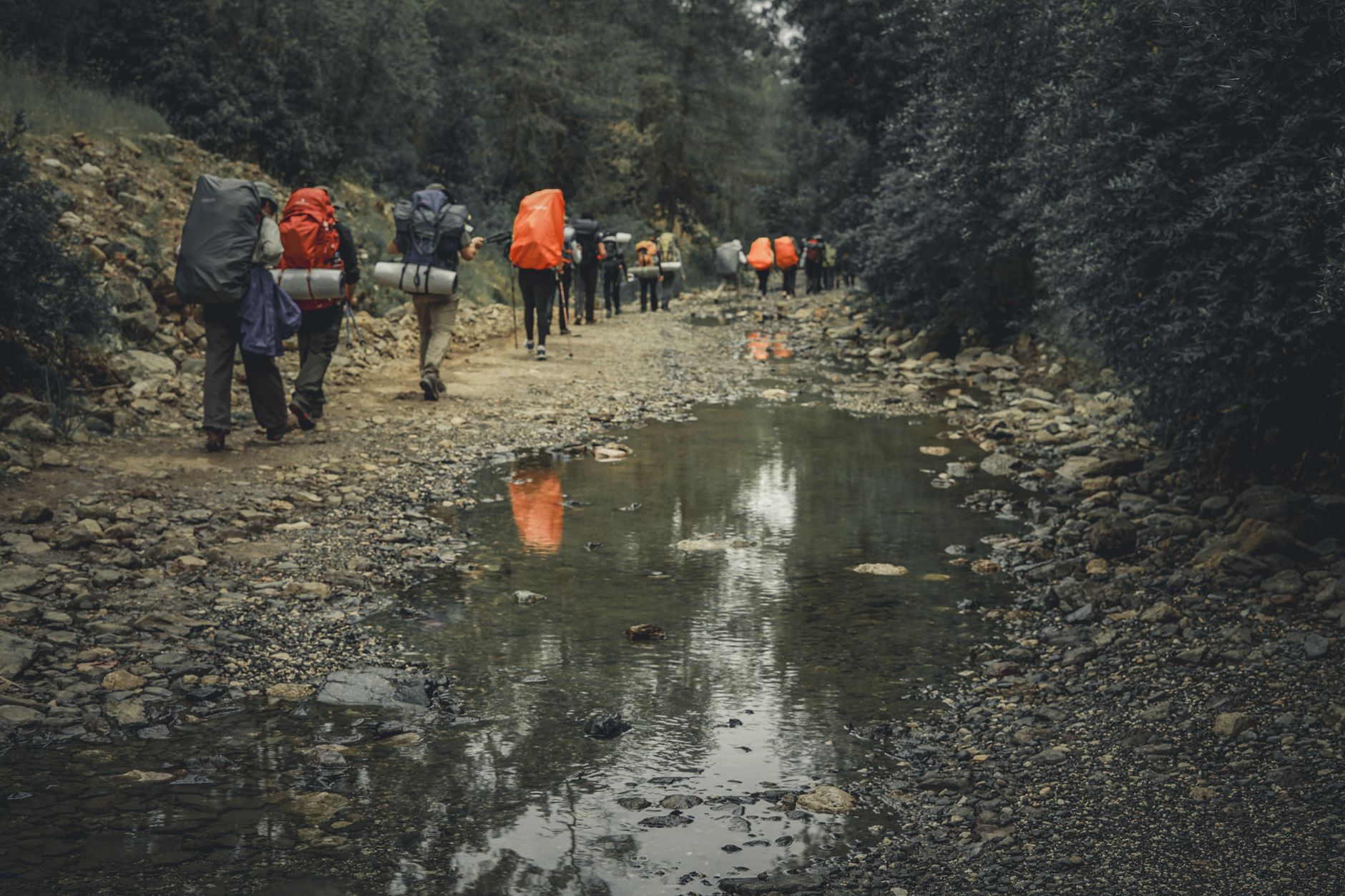
The outdoor industry just hit an inflection point. With channels like New Jersey Outdoor Adventures - YouTube blowing past 200,000 subscribers by documenting hyper-local, accessible trips, the definition of “adventure” is shifting fast. You no longer need to quit your job, fly to Patagonia, or own $3,000 in ultralight gear to call yourself an outdoorsperson. What you do need is a bridge between your current life and the physical, mental, and logistical demands of a real outdoor adventure day.
That’s where outdoor adventure day 2026 preparation gets interesting. Most guides dump gear lists on you and call it planning. This is different. This is a 90-day protocol designed for people who live in cities or suburbs, work full-time, and can’t spend weekends in the mountains—yet. By September 2026, you’ll have built the specific fitness, skills, and systems to show up prepared, not just hopeful.
Why Most “Preparation” Fails Before You Hit the Trail
The gap between watching adventure content and actually doing it is wider than most people admit. Research from the Outdoor Industry Association shows 48% of Americans want to participate in outdoor activities but cite “lack of preparation time” as their primary barrier. The problem isn’t time—it’s that preparation is treated as an event (buy gear, read a book) rather than a progressive system.
Traditional outdoor adventure day 2026 preparation falls into two broken models:
- The Gear Obsessive: Spends 90 days researching backpacks, tests none, carries a 45-pound pack on event day with zero conditioning
- The Weekend Crasher: Does nothing for 12 weeks, then attempts a 15-mile hike and spends the following week recovering
Neither builds the integrated readiness you actually need: cardiovascular base, movement pattern familiarity, nutrition timing, and mental friction tolerance. The 90-day protocol fixes this by embedding preparation into your existing urban environment.
Phase 1: Days 1-30 — The Invisible Foundation
Your first month happens entirely in your current environment. No mountains required. The goal is building physical and mental baselines without disrupting your schedule.
Load-bearing walking: Start with 20 minutes, 3x weekly, carrying something weighted. A backpack with 10-15 pounds of books, a weighted vest, or even a loaded laundry basket. Walk varied terrain—curbs, stairs, uneven sidewalks. This isn’t “exercise”; it’s movement pattern training. Your ankles, hips, and core need to learn stabilization under load before you add elevation.
The stairwell protocol: Once weekly, find the tallest stairwell accessible to you (parking garage, apartment building, office). Ascend for 15 minutes at a conversational pace. Descend slowly. This builds the exact quadriceps and calf endurance you’ll need for sustained uphill hiking, without the impact of running.
Gear auditioning: Wear your actual hiking boots or trail runners for these sessions. Break them in now, not on mile 3 of your adventure day. Note hot spots, lace pressure, sock compatibility. Document it.
Mental training: Spend 10 minutes weekly studying topographic maps of your target area using CalTopo or Gaia GPS. Don’t plan routes yet—just build visual literacy for contour lines, ridgelines, and drainage patterns.
Phase 2: Days 31-60 — Skill Stacking in Simulated Conditions
Now you’ll layer technical skills onto your fitness base, using controlled environments to reduce risk.
Night navigation drill: In a local park after dark, navigate 0.5 miles using only a headlamp and compass. No phone GPS. This builds the specific confidence you’ll need if your adventure day runs long or weather moves in. Most people haven’t experienced actual darkness with gear dependencies; this fixes that.
The hydration-nutrition stress test: Complete a 4-hour loaded walk consuming only your planned adventure day food and water system. No convenience stores, no “I’ll figure it out.” Discover now if your peanut butter strategy causes crashes, if your water filter flow rate frustrates you, or if you simply underpacked calories.
Weather exposure training: Deliberately complete one session in rain, one in heat above 85°F, one in wind. Learn your clothing system’s actual performance, not its marketing claims. The YouTube adventurers in New Jersey? They’re filming in actual Northeast humidity and sudden thunderstorms. Their gear works because they’ve tested it in real regional conditions.
Emergency simulation: Pack your full kit, then spend 20 minutes in your backyard with only that gear. Build shelter, start fire (if permitted), filter water from a bucket. Identify the three items you never touched—and consider leaving them behind.
Phase 3: Days 61-90 — Integration and Specificity
The final month connects your preparation to the specific demands of your planned adventure day.
The micro-adventure weekend: Execute a full simulation—overnight if possible, or a 10+ hour day trip. Same pack weight, same food system, same sleep setup if applicable. This is your dress rehearsal, not your adventure. Note every friction point: the blister at hour 4, the decision fatigue at lunch, the gear access frustration.
Pace calibration: Establish your sustainable hiking pace on varied terrain. Most people start too fast, blow up by mile 3, and suffer. Your target is a pace where you can speak in complete sentences. For most trained adults on moderate terrain, this falls between 2.0–2.5 mph with a loaded pack. Know yours precisely.
Contingency scripting: Write three specific “if-then” plans for your adventure day: if weather deteriorates, if injury occurs, if group pace splits. Decision-making degrades under stress; pre-commitment preserves safety and enjoyment.
The 48-hour pre-event protocol: Final week, taper physical load. Two days before, hydrate aggressively (urine should be consistently pale), consume complex carbohydrates, and sleep 8+ hours. Morning of, eat 2–3 hours before start time, avoid high fiber or high fat (slow digestion), and carry more calories than you think—roughly 200–300 per hour of sustained activity.
The New Jersey Connection: Local Proving Grounds
Here’s what channels like New Jersey Outdoor Adventures - YouTube reveal that most people miss: some of the best preparation terrain in the Northeast is hiding in plain sight. The Pine Barrens’ sandy, flat-but-exposed trails teach heat management and navigation without landmarks. The Delaware Water Gap’s river-to-ridge elevation changes replicate mountain demands within day-trip distance of NYC and Philadelphia.
If you’re in the Mid-Atlantic, use these as your Phase 2 and 3 training grounds. If you’re elsewhere, find your equivalent: the undervalued local landscape that approximates your target adventure conditions. Preparation doesn’t require grandeur. It requires specificity.
Conclusion: Show Up Ready, Not Just Present
Outdoor adventure day 2026 preparation isn’t about becoming someone else. It’s about closing the gap between the version of you that watches sunrise summit videos and the version that can actually function competently for 8–12 hours in variable, uncontrolled conditions.
The 90-day protocol works because it respects your constraints while systematically removing excuses. By September, you won’t be hoping your body holds up, guessing at your gear, or praying for perfect weather. You’ll be prepared—which, paradoxically, makes the unpredictable parts of adventure feel like the point, not the threat.
Your adventure day is coming. Start your 90 days today.