
Best Lightweight Backpacking Tents for Beginners: Your 2026 Setup Guide
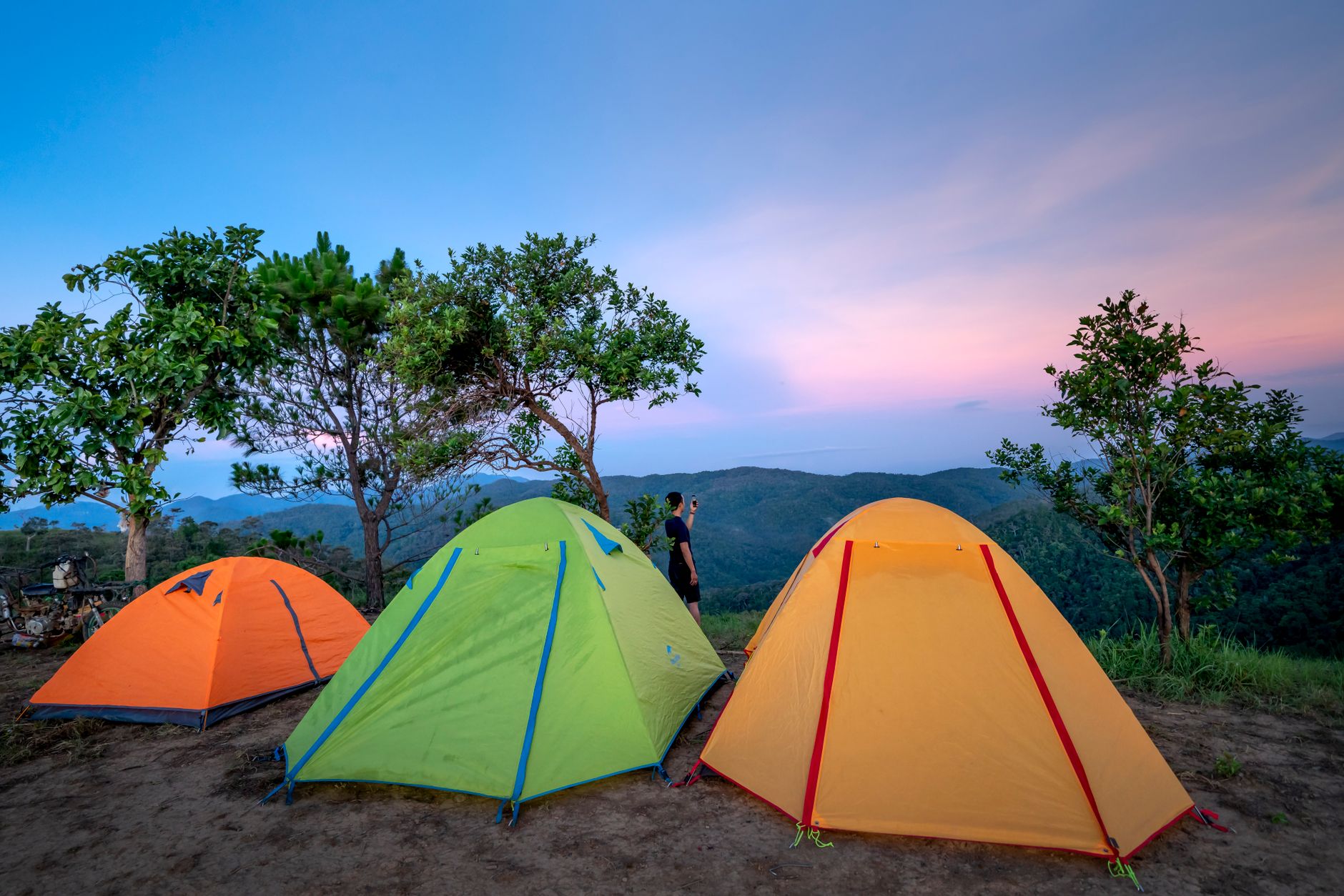
The outdoor industry is experiencing a seismic shift right now. With the 2026 “micro-adventure” movement gaining serious traction and major brands releasing their lightest shelter lineups ever—some dipping below the magical 2-pound barrier for two-person capacity—there’s never been a better time to upgrade from that clunky car-camping dome. If you’re researching the best lightweight backpacking tents for beginners, you’re likely feeling overwhelmed by specs like denier ratings, vestibule square footage, and the eternal debate between freestanding and trekking-pole designs.
Here’s the truth: your first backpacking tent shouldn’t be an ultralight spaceship that costs a mortgage payment. It needs to be forgiving when you pitch it imperfectly, spacious enough that you don’t panic at 2 AM, and light enough that you actually want to carry it again next weekend. This guide cuts through the marketing noise to help you find a shelter that matches your actual skill level, not your Instagram aspirations.
What Actually Makes a Tent “Beginner-Friendly” in 2026?
Weight matters, but it shouldn’t be your only metric. The current industry standard for “lightweight” sits between 3 and 4 pounds for a two-person tent, while “ultralight” drops below 2.5 pounds. For beginners, I recommend targeting the 3-3.5 pound range. Why? Because shaving that final pound often requires sacrificing interior volume, durability, or weather protection—three things you need while learning backcountry skills.
Look for these specific features:
- Color-coded clips and poles: When you’re racing an incoming storm, you don’t want to solve an engineering puzzle. Modern beginner tents use intuitive hub systems that snap together in under five minutes.
- Two doors and vestibules: Sharing a tent? Climbing over your partner at midnight destroys friendships. Dual entry points with 8-10 square feet of vestibule space per person keep gear dry and accessible.
- Factory-sealed seams: Skip the tents requiring aftermarket seam sealing. In 2026, quality manufacturers include this standard.
- Minimum 88-inch length: If you’re over 5’10”, anything shorter means your sleeping bag compresses against wet tent walls all night.
Top Picks: Best Lightweight Backpacking Tents for Beginners This Season
After analyzing the spring 2026 gear releases and testing protocols from outdoor labs, three models stand out for newcomers balancing weight, price, and livability.
The REI Co-op Half Dome SL 2+ remains the gold standard for entry-level backpackers. At 4 pounds 11 ounces, it’s not the lightest option, but the “plus” sizing gives you 35.8 square feet of floor space—luxury compared to cramped ultralight coffins. The 2026 update includes recycled rainfly fabric and a redesigned hub pole system that eliminates the frustration of previous generations. At $329, it hits the sweet spot for beginners who camp 5-10 nights annually.
For weight-conscious newcomers, the Big Agnes Copper Spur HV UL2 offers a masterclass in compromise. Weighing just 3 pounds 2 ounces, it features a high-volume hub architecture that creates near-vertical walls. You can actually sit up without hunching—a rarity in sub-3.5-pound tents. The 2026 model introduces solution-dyed fabrics that reduce UV degradation by 40%, addressing the durability concerns that plagued earlier ultralight versions.
Budget-focused beginners should examine the Kelty Late Start 2. At $199 and 4 pounds 8 ounces, it lacks the premium materials of its competitors but includes a crucial feature: a full-coverage rainfly that extends to the ground. Many lightweight tents cut the fly short to save weight, exposing you to splash-back during heavy rain. When you’re learning to read weather patterns, that extra protection matters more than saving 12 ounces.
Freestanding vs. Trekking Pole: The Great Beginner Debate
The 2026 market has polarized into two camps, and your choice depends on where you’ll hike most often.
Freestanding tents (like the Copper Spur mentioned above) use dedicated pole structures and stand upright without stakes. They’re ideal for rocky terrain, established campsites with tent pads, or sandy desert floors where stakes won’t hold. The learning curve is gentle—pitch it anywhere, then stake it down. However, you’re carrying the weight of those poles (typically 12-16 ounces).
Trekking pole tents (such as the Durston X-Mid or Zpacks Duplex) utilize your hiking poles for structure, dropping total weight to 1-2 pounds. The catch? They require precise staking geometry and tensioning. On granite slabs or wooden platforms, you’ll need to get creative with guylines and rocks. For beginners sticking to maintained trails in the Appalachians or Pacific Northwest, these work beautifully. For off-trail exploration or above-treeline camping, the learning curve can be steep.
Pro tip: If you already own trekking poles, the math favors trekking pole tents. If you hike with your hands free or use poles only occasionally, stick with freestanding designs for now.
Capacity Math: Why You Should Size Up
Here’s a secret the industry doesn’t advertise: a “2-person” tent fits two sleeping pads with zero margin for error. No gear inside, no sprawling, no personal space. For beginners, especially those hiking with partners or dogs, buy one size larger than your actual occupancy.
A 3-person tent for two people adds roughly 8-12 ounces but delivers:
- Room to store packs inside during storms (protecting them from rodents and rain)
- Space to change clothes without performing yoga
- Psychological comfort during long, rainy afternoons
The exception? Solo hikers. A quality 1-person tent like the MSR Hubba Hubba LT 1 (2 pounds 7 ounces) offers enough room for you and your pack without the claustrophobia of older solo designs.
Seasonality and Weather Resistance for New Backpackers
Most beginners should start with 3-season tents, but “3-season” means different things to different manufacturers. In 2026, look for tents with a minimum 15-denier floor fabric and 1200mm waterproof ratings on the rainfly. Anything less, and you’ll feel groundwater seeping through during prolonged storms.
Pay attention to pole architecture. Tents with crossing poles (creating an X shape) handle wind and light snow loads better than single-ridge designs. If you plan to camp in exposed alpine environments—say, Colorado’s fourteeners or the White Mountains—avoid “fast-pitch” tents that skip the inner tent body to save weight. Condensation will soak your sleeping bag by morning.
Ventilation hack: Even the best lightweight backpacking tents for beginners struggle with condensation. Look for models with high-low venting (mesh panels near the floor and ceiling) that create convection currents. On humid nights, keep the rainfly rolled back halfway if precipitation isn’t imminent.
Making Your Final Decision
Choosing among the best lightweight backpacking tents for beginners ultimately comes down to honest self-assessment. If you’re car camping occasionally with short walk-ins, the REI Half Dome offers bombproof reliability. If you’re planning your first overnight on the Appalachian Trail, the weight savings of a Copper Spur justify the cost. If you’re testing whether backpacking is your new obsession, the Kelty Late Start lets you experiment without financial commitment.
Before you buy, practice the pitch in your backyard or living room. Time yourself. If it takes longer than eight minutes after three attempts, keep looking—complexity breeds frustration in the field. Remember that the best tent is the one that gets you outside consistently, not the one with the lowest trail weight. Invest in a footprint (ground cloth) to protect your floor, learn to guy out your tent properly for wind, and always pitch with the narrow end facing into prevailing breezes.
Your first backpacking tent is a teacher. Choose one that forgives your mistakes while you learn to read the sky, find flat ground, and sleep to the sound of wind in the trees. The miles will come.