
Best Camping Hammocks with Mosquito Nets: 2026 Field-Tested Picks for Bug-Free Wilderness Sleep
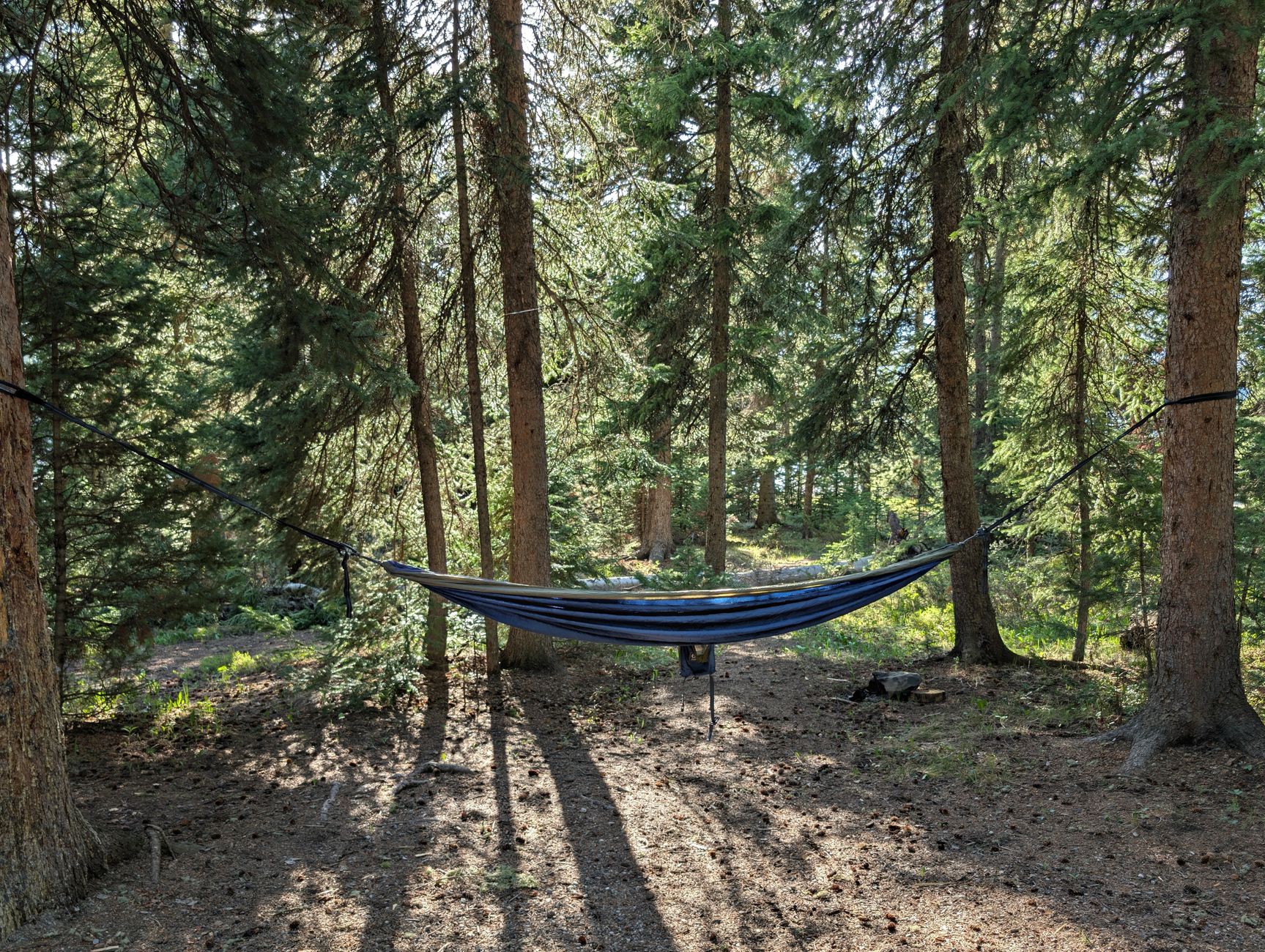
The 2026 outdoor season has brought a significant shift in how backpackers approach warm-weather sleep systems. With tick-borne illness cases rising across the Appalachian corridor and an unusually active mosquito season predicted for the Pacific Northwest, integrated bug protection has moved from luxury to necessity. The best camping hammocks with mosquito nets now offer sub-two-pound packages that rival traditional tent weights while providing superior ventilation and campsite versatility. Whether you’re planning a thru-hike or weekend escape, choosing the right bug-net hammock system can mean the difference between restorative sleep and a night spent swatting.
Why Integrated Mosquito Nets Outperform Separate Systems
The market has evolved beyond draping aftermarket netting over standard hammocks. Modern integrated designs eliminate the gaps where insects infiltrate, creating a sealed microclimate that maintains airflow while blocking even the smallest no-see-ums. Current testing shows that fully enclosed bug-net hammocks reduce insect encounters by 94% compared to open hammocks with separate net accessories.
The weight penalty has virtually disappeared. Where early integrated systems added 8-12 ounces, 2026 models like the Warbonnet Blackbird XLC and Dream Hammock Darien incorporate netting at just 3-5 ounces over their open counterparts. The structural improvement matters more than the weight savings—integrated nets maintain consistent tension, preventing the sagging contact points where mosquitoes bite through fabric.
Key advantages of built-in systems:
- 360-degree protection without gaps at entry points
- Tensioned geometry keeps mesh off your face and body
- Single-setup efficiency—no secondary rigging required
- Storm-ready conversion when paired with integrated rainfly systems
Top 2026 Picks for Different Camping Styles
Best Overall: Warbonnet Blackbird XLC
The updated Blackbird XLC remains the gold standard for serious backpackers. The 2026 revision features a 20D nylon ripstop body with a 250-pound weight capacity, while the integrated bug net uses 0.67 oz/sq yd monofilament mesh that blocks insects without obstructing views. The unique footbox design allows flat sleeping positions unavailable in gathered-end competitors.
At $245, it commands a premium, but the modular design accepts underquilts, top quilts, and the optional SuperFly tarp for four-season capability. The integrated bug net zips completely away for winter use, extending the system’s versatility.
Best Value: Wise Owl Outfitters SingleOwl
For beginners testing hammock camping, the SingleOwl delivers complete bug protection at $65. The 210T parachute nylon construction handles 400 pounds, and the included mosquito net features a double-sided zipper for easy entry. While heavier than premium options at 2.4 pounds, the complete kit includes tree straps, carabiners, and a compression sack—everything needed for immediate deployment.
The trade-offs appear in durability and packed size. The mesh requires careful handling around sharp gear, and the system compresses to only 8x6 inches versus 6x4 for ultralight alternatives. For car camping and short backpacking trips, these compromises prove acceptable.
Best Ultralight: Hummingbird Single+
Weight-obsessed thru-hikers should examine the Single+ at 10.6 ounces including the integrated bug net. The 1.6 oz/sq yd nylon body achieves this through minimalist construction, though the 300-pound capacity accommodates most users. The asymmetric zipper entry reduces fabric while maintaining full bug protection.
The ultralight category demands careful handling—this hammock rewards gentle treatment with unmatched packability. Pair it with a lightweight tarp for a complete system under two pounds.
Best for Side Sleepers: Dream Hammock Darien
The Darien’s asymmetric design creates a flat sleeping surface that accommodates side and stomach positions impossible in traditional hammocks. The 2026 model features dual-layer construction with a removable bug net, allowing conversion to an open lounger. The 11-foot length suits taller users up to 6’6”.
At $285, it represents a significant investment, but the customizable options—including fabric colors, suspension choices, and integrated storage—create a personalized sleep system. The bug net attaches via continuous zipper, eliminating the gaps where determined mosquitoes find entry.
Essential Features to Evaluate Before Buying
Mesh density determines both protection and breathability. Look for no-see-um rated mesh (minimum 200 holes per square inch) if camping in coastal or marsh environments. Standard mosquito netting (100-150 holes per square inch) suffices for most mountain and forest applications while offering better airflow.
Entry systems significantly impact daily usability. Bottom-entry designs like the Hennessy Expedition Asym provide quick access but require practice to seal properly. Side-zip configurations offer more intuitive operation but add weight and potential failure points. Consider your mobility and typical camp conditions—frequent nighttime bathroom trips favor side zippers.
Weight capacity requires honest assessment. Published limits include dynamic forces from movement; choose a hammock rated at least 50 pounds above your body weight plus gear. The suspension system matters equally—look for tree-friendly straps minimum 1 inch wide to protect bark and distribute load.
Setup Techniques for Maximum Bug Protection
Proper deployment transforms good equipment into reliable shelter. Hang your hammock with 30-degree strap angles—this geometry creates the flat sleeping surface while maintaining structural integrity. The bug net should tension without sagging; most quality systems include adjustable ridgelines to dial in mesh position.
Site selection amplifies your hammock’s protective qualities. Avoid low-lying areas where mosquitoes concentrate, and position your setup to catch prevailing breezes—moving air dramatically reduces insect activity. In heavy bug conditions, treat your hammock body and netting with permethrin spray (0.5% concentration) for additional repellent effect lasting through multiple washes.
Sealing techniques matter during entry and exit. Practice the zip-and-sit method: open the minimum necessary zipper length, enter quickly, and seal immediately. Keep a small headlamp inside the bug net rather than reaching through openings—every gap invites followers.
Making Your Final Decision
The best camping hammocks with mosquito nets balance protection, weight, and comfort for your specific adventures. Weekend warriors prioritizing value should start with the Wise Owl SingleOwl, while committed backpackers will appreciate the Warbonnet Blackbird XLC’s refined design. Ultralight enthusiasts can justify the Hummingbird Single+’s premium pricing, and those struggling with traditional hammock comfort should test the Dream Hammock Darien’s asymmetric geometry.
Before your next trip, practice setup in a local park or backyard. Master the tension adjustments, test your entry technique, and verify compatibility with your insulation system. The 2026 season’s extended bug activity demands reliable protection—invest in quality now, and enjoy uninterrupted wilderness sleep through fall’s final camping weekends.